
Review · ITALY
Genoa: Cetacean Watching Cruise with Marine Biologist Guide
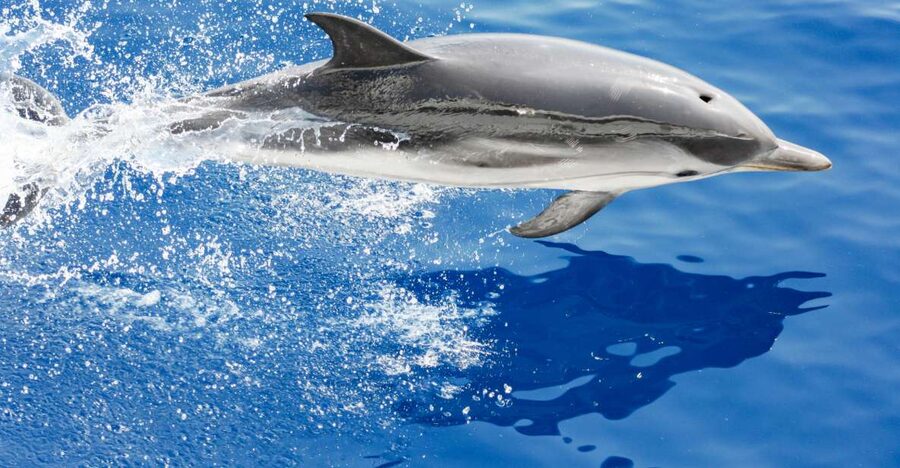
The sea may surprise you. This 4.5-hour cruise from Genoa takes you into the Pelagos Sanctuary, a protected area of the Tyrrhenian Sea where fin whales, sperm whales, dolphins, and other cetaceans live. Marine biologist guides explain what you are seeing, how these animals feed, and why the sanctuary matters.
I like the mix of wildlife watching and solid science. You are not simply riding around hoping for a fin to appear. The introductory briefing covers the sanctuary, its conservation work, and the species that may pass near the boat. I also like the strong sighting policy: cetaceans are seen on about 95 percent of departures, and if none appear, you may return free within one year.
The main drawback is time. Four and a half hours on open water can feel long, especially if the sea is rough or the animals stay far from the boat. A German passenger found the length tiring despite seeing large dolphin groups and a sperm whale. Bring suitable clothing, and think of this as a patient wildlife outing rather than a quick boat ride.
Quick Points Before You Book
- Dolphin sightings are a major strength: You may see striped, bottlenose, Risso’s, and short-beaked common dolphins, sometimes in large groups.
- Whales are possible but not promised: Fin whales, sperm whales, Cuvier’s beaked whales, and long-finned pilot whales are among the species found here.
- A marine biologist leads the trip: The guide explains feeding habits, behavior, identification, and conservation work in Italian and English.
- The no-sighting policy adds value: If you see no cetaceans, you can return free within a year by making a new reservation and presenting the original ticket.
- Plan for four and a half hours afloat: There are indoor and outdoor seats, a toilet, and paid bar service, but snacks and drinks are not included.
- Genoa’s Aquarium Pier is the meeting point: Find the partner ticket office at the beginning of the pier, on the left side, and arrive at least 15 minutes early.
Setting Out From Genoa’s Aquarium Pier
The tour begins at Ponte Spinola, at the start of Genoa’s Aquarium Pier. The local partner’s ticket office is on the left side as you enter the pier. This is a useful location if you are already visiting the aquarium or walking around the old harbor.
You should arrive at least 15 minutes before departure. The cruise returns to the same general area, at Consorzio Liguria Via Mare, Ponte Spinola 2. Since the activity lasts 4.5 hours, allow enough time afterward for a meal, train connection, or another fixed booking.
The price is about $53 per person, which is fair for a half-day boat trip with a marine biologist guide. You are paying for the vessel, the wildlife search, and expert interpretation rather than a simple harbor transfer. The value is strongest when you treat it as a conservation-focused experience and not as a guaranteed whale photograph.
The boat has indoor and outdoor seating, a toilet, and a bar where you can buy drinks and snacks. Food is not included, so I would bring something small if you tend to get hungry on longer boat rides. Smoking and pets are not allowed.
The activity is wheelchair accessible, though the supplied details do not explain the exact boarding arrangements or which parts of the boat are easiest to reach. If you use a wheelchair, confirm the access details before paying.
A few more boat trips in Italy worth a look
- Murano & Burano: Boat Tour with Guide & Glass Factory Visit
★ 4.3 · 10,716 reviews - Murano & Burano Islands Guided Small-Group Tour by Private Boat
★ 4.5 · 7,580 reviews - Murano & Burano Guided Tour by Private Boat with Glassmaking
★ 4.7 · 5,658 reviews
The Pelagos Sanctuary Briefing
Before heading far offshore, the marine biologist gives an introduction to the Pelagos Sanctuary. This matters because it gives the wildlife search a clear purpose. You learn about the sanctuary’s history, protection programs, and the species that use these waters.
The Pelagos Sanctuary covers a large section of the Mediterranean shared by Italy, France, and Monaco. For this experience, the important point is simple: these are protected waters where several kinds of marine mammals feed and pass through. The guide helps you understand why a whale or dolphin may appear only briefly, then vanish below the surface.
The briefing also gives you a better chance of identifying what you see. A distant back or splash can be difficult to read without help. The guide may explain the difference between a whale’s breathing plume, a dolphin’s jump, or a group moving just under the surface.
Italian and English are available. One practical caution comes from the bilingual format: announcements can take longer, and one passenger found the English explanations difficult to understand and the loudspeaker too loud. That will not affect everyone, but you may prefer to sit where the guide’s voice is easiest to hear.
Searching for Fin Whales and Sperm Whales
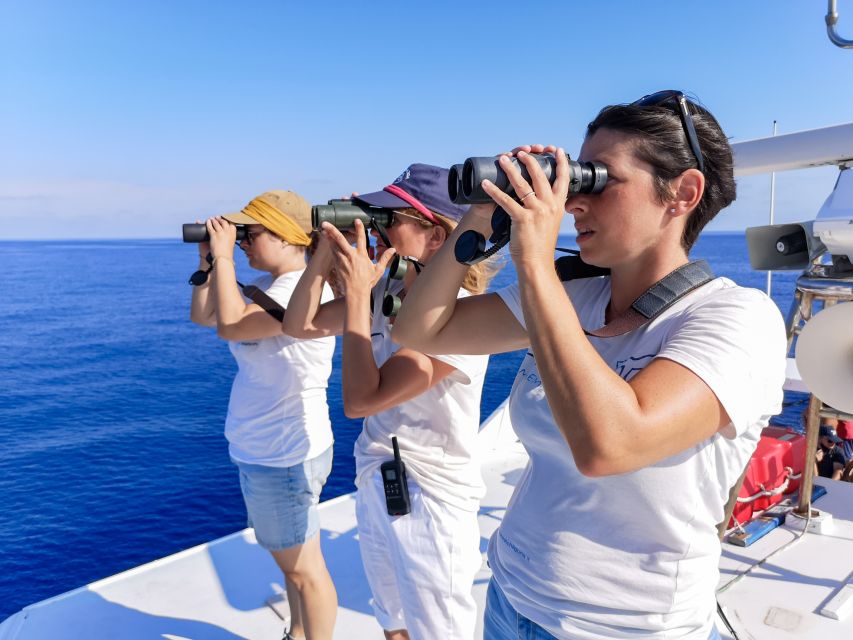
Once the boat reaches favorable viewing areas, the activity becomes a patient search. The crew watches the water for a distant breach, a blow, a fin, or a pod of dolphins. This is not a staged show. The animals choose the timing, distance, and direction.
Possible sightings include fin whales, sperm whales, Cuvier’s beaked whales, long-finned pilot whales, Risso’s dolphins, striped dolphins, bottlenose dolphins, and short-beaked common dolphins. Each species behaves differently, so the guide’s explanations add useful context to what might otherwise be a quick glimpse.
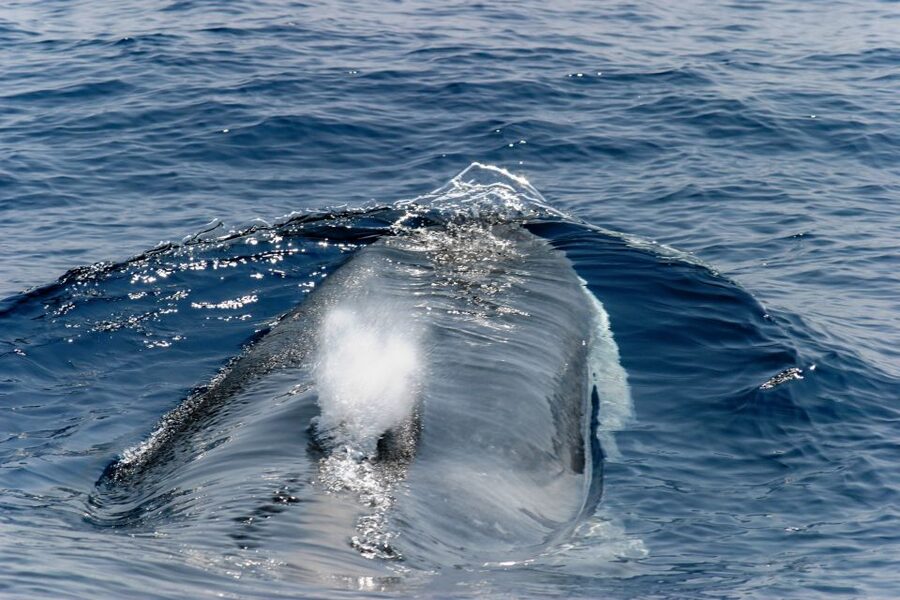
Fin whales can be difficult to photograph because you may see only a back and blow before the animal disappears. Sperm whales may surface briefly and then head down again. One October outing produced a short view of a sperm whale that was already moving away from the boat, a familiar frustration on any wild-animal trip.
You should keep your camera ready, but do not spend the whole time staring at a screen. A photo of a distant fin may be less valuable than watching the animal’s movement directly. The best moments can be short, and the guide will help direct your attention.
The Dolphin Encounters Are Often the Highlight
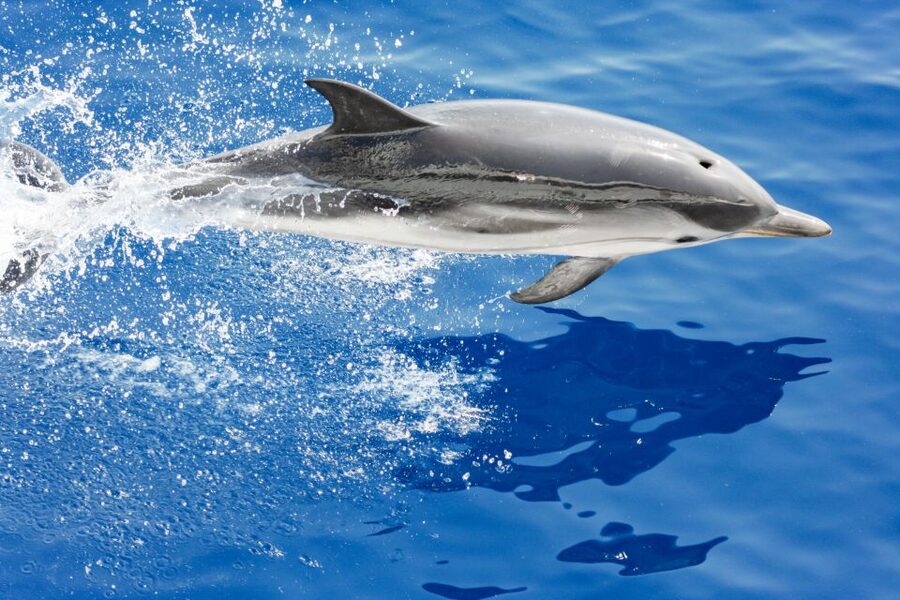
Dolphins provide the most reliable excitement on this cruise. Large groups have been seen, including a group estimated at about 100 animals. Several kinds may appear, which gives the guide a chance to explain differences in shape, markings, and behavior.
You may see dolphins traveling beside the boat, crossing in front of it, or leaping through the water. Their movement is often easier to follow than that of a whale, making them a good target for photographs. Still, no sighting is guaranteed, and the animals may remain at a distance.
The boat follows non-disturbance rules. That means the crew approaches carefully and avoids chasing or crowding the animals. You may not get the close-up encounter seen in a wildlife park, but that distance is part of responsible observation. The animals remain in control of the encounter.
This is also where the guides can make the experience more meaningful. You can ask about diet, social behavior, movement, and feeding patterns. The chance to ask questions is one of the strongest reasons to choose this cruise over a basic sightseeing boat.
Same coast, a different kind of day on the water:
- Boat Trip: Glimpse of Murano, Torcello & Burano Islands
★ 4.3 · 15,699 reviews - Venice: Burano, Torcello & Murano Boat Tour w/Glassblowing
★ 4.4 · 10,245 reviews - Venice: Murano & Burano Panoramic Boat Tour w/ Glassblowing
★ 4.4 · 6,212 reviews - From Naples: Boat Tour of Amalfi, Positano and Ravello
★ 4.4 · 5,034 reviews
What Four and a Half Hours at Sea Feels Like
The full duration gives the crew time to reach productive areas and search for more than one species. It also gives you a real chance at a sighting, since marine mammals do not follow a schedule. A shorter trip might be easier on the body, but it would offer less time for the search.
Still, four and a half hours is a commitment. If the sea is calm and the dolphins are active, the time can pass quickly. If the boat spends long stretches looking across empty water, the same length can feel much longer.
Comfortable shoes and weather-appropriate clothes are essential. Conditions can change on the water, and you may spend time outside waiting for a sighting. Bring a light extra layer even on a warm day. The supplied information does not list motion-sickness equipment, so if you are prone to seasickness, ask the operator what is available before departure.
The vessel provides indoor and outdoor seating, which gives you a choice during the trip. You can move inside if the weather turns unpleasant, or stay outside for the clearest view. Paid bar service is available onboard, but you should not assume that snacks or drinks are part of the ticket.
Conservation Comes Before the Photograph
The Pelagos Sanctuary is not just a backdrop for a boat trip. The guide explains the work being done to protect marine life and why careful conduct around cetaceans matters.
The non-disturbance approach is important. The crew does not treat whales and dolphins as performers. You may wait quietly for an animal to surface, then watch it disappear without the boat forcing another approach.
That may sound less dramatic than a close encounter, but it is the right trade-off. You see the animals in their own environment, under their own conditions. The guide’s role is to help you understand what you are seeing without turning the experience into a chase.
The conservation message also helps explain why sightings cannot be promised. Even in a productive area, weather, sea conditions, animal movement, and visibility all affect the result. The reported 95 percent sighting rate is encouraging, but it is not a guarantee of whales, dolphins, or a particular species.
Weather, Cancellation, and the No-Sighting Guarantee
The cruise may be canceled one day before departure if the weather or sea conditions are poor. This is a sensible safety rule, not a flaw. Open-water wildlife trips depend on conditions that can change quickly.
If you see no cetaceans, you may return free within one year of the original excursion date. You must make a new reservation through the company’s website and bring the original ticket for the no-sighting date to the boarding gate. This policy reduces the financial risk, though it does not help much if you are visiting Genoa only once.
Free cancellation is available up to 24 hours before departure, and you can reserve now and pay later. Check the available starting time when booking, since the exact departure schedule is not fixed in the supplied details.
Who Will Enjoy This Genoa Boat Trip?
I would recommend this cruise to anyone who likes wildlife, marine science, and unplanned moments. It suits families with older children, couples, photographers, and anyone who wants to see a different side of Genoa beyond the city streets.
It is especially good for people who value explanation. The marine biologist is not just there to point at animals. You can ask about species, feeding, behavior, and the sanctuary’s protection work.
You should think twice if you dislike long periods of waiting, open water, or uncertain results. The boat ride may be enjoyable even without a sighting, but the central purpose is still the search for cetaceans. If you need a guaranteed attraction with a fixed start and finish, this is not the right format.
The language setup may also matter. Italian and English are offered, but bilingual announcements can be lengthy. If hearing every explanation clearly is important to you, sit near the guide or ask where the best audio position is before the boat leaves.
Is $53 a Fair Price?
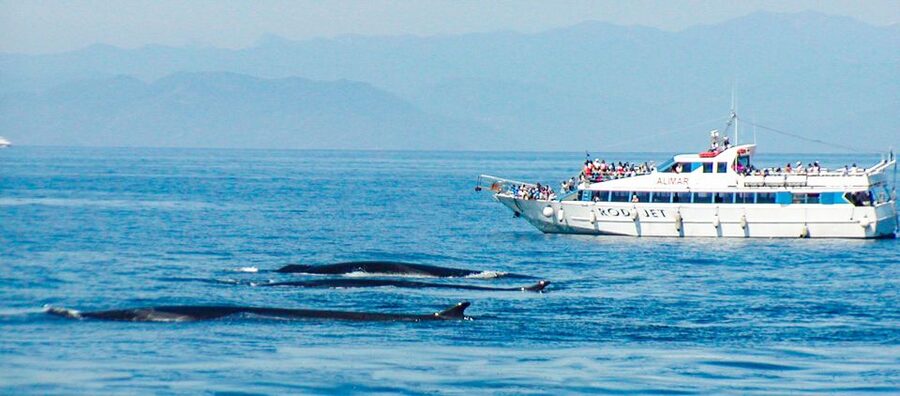
At roughly $53, the cruise offers reasonable value for 4.5 hours at sea, a marine biologist guide, and the chance to see several protected marine species. The price feels particularly fair because you also receive the option to return within a year if no cetaceans appear.
The cost does not include food, drinks, or merchandise. Bar service is available, but those purchases add to your total. Bring a small snack if you want to keep spending down.
The price is less about the certainty of a whale and more about the quality of the search. You may see a spectacular group of dolphins, a sperm whale surfacing in the distance, or no cetaceans at all. The operator’s no-sighting policy helps, but your decision should still depend on how much you enjoy the process.
Should You Book the Pelagos Sanctuary Cruise?
Book it if you want a serious wildlife outing from Genoa, especially if dolphins, whales, and marine conservation interest you. The marine biologist guide, the bilingual explanations, and the no-sighting return option make this stronger than a standard boat trip.
I would choose a day with a calm forecast and keep the rest of my schedule flexible. Arrive early at the Aquarium Pier, wear practical clothes, and prepare for a long period outdoors. If you can accept that nature controls the show, this cruise offers a worthwhile look at the Tyrrhenian Sea and the animals that live there.
FAQ
Where does the cetacean-watching cruise depart?
It departs from the local partner’s ticket office at the beginning of the Aquarium Pier, Ponte Spinola 2, on the left side. The operator recommends arriving at least 15 minutes before departure.
How long does the cruise last?
The experience lasts 4.5 hours, including the marine mammal search in the Pelagos Sanctuary.
Which animals might I see?
Possible species include fin whales, sperm whales, Cuvier’s beaked whales, Risso’s dolphins, long-finned pilot whales, striped dolphins, bottlenose dolphins, and short-beaked common dolphins.
Are cetacean sightings guaranteed?
No. Sightings are common, with an estimated 95 percent success rate, but they cannot be guaranteed.
What happens if no cetaceans are seen?
You may return free within one year from the excursion date. You must make a new reservation on the company website and present the original ticket from the no-sighting date at the boarding gate.
Is food included?
No. Snacks and drinks are not included, but paid bar service is available onboard.
Is the cruise available in English?
Yes. The live guide service is available in Italian and English.
Just added in Italy
- Cruise:Portovenere and the 3 islands with aperitif included!★ 4.7 · 97 reviews
- Guided Boat Cruise to Sirmione from Garda/Bardolino★ 4.3 · 143 reviews
- Como Boat experience • Shared Boat Tour with a hot drink★ 4.5 · 136 reviews
- Como: Wooden Boat Shared 1-Hour Tour★ 4.9 · 59 reviews
- Como: Private 1-Hour Boat Rental★ 4.7 · 46 reviews
- Catania: Coastline Sailing Trip with Aperitif and Prosecco★ 4.9 · 87 reviews
- Cinque Terre & Portovenere: Boat Tour★ 4.9 · 167 reviews
- Cinque Terre: Hybrid Boat Tour with Swimming Stop★ 4.5 · 244 reviews
Guided, compared.
Daytime or Sunset Sightseeing Cruise & Audio Guide
Read our review →
Murano & Burano: Boat Tour with Guide & Glass Factory Visit
Read our review →
Murano & Burano Islands Guided Small-Group Tour by Private Boat
Read our review →
Murano & Burano Guided Tour by Private Boat with Glassmaking
Read our review →
Bosphorus Sightseeing Cruise Tour with Audio Guide
Read our review →
Bosphorus Sunset Cruise on Yacht with Live Guide
Read our review →
Sunset or Daytime Istanbul Guided Luxury Yacht Cruise with Snacks
Read our review →Browse the lists this tour appears in